
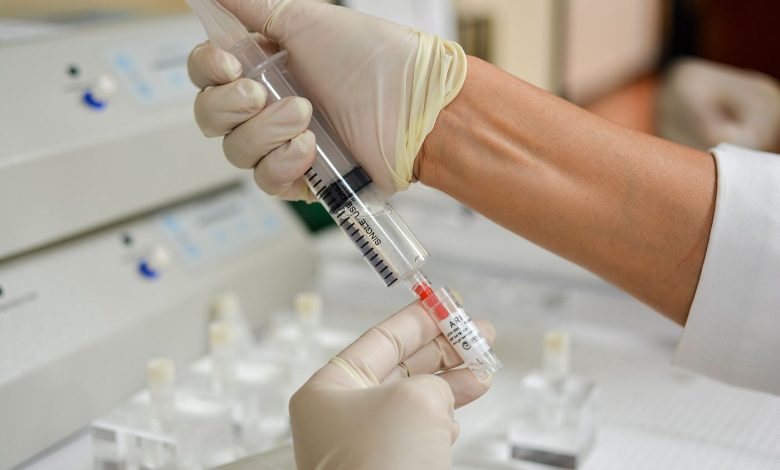
Tiny particles released by stem cells can calm the immune attack that causes type 1 diabetes, according to research from the University of California, Los Angeles reported in November 2026. The study, published in the journal Nature Nanotechnology, used extracellular vesicles derived from induced pluripotent stem cells, the reprogrammed cells that can turn into many cell types. In laboratory and animal work, the vesicles promoted the formation of regulatory T cells, the peacekeepers of the immune system that stop it attacking the body’s own tissues. In type 1 diabetes, the immune system destroys the insulin-producing cells of the pancreas, and the vesicles suppressed that assault in early-stage disease. The approach is still experimental, but it points to a treatment that could protect insulin production without broadly suppressing immunity.
What the Evidence Shows
The vesicles are far smaller than a cell and carry signals that can reprogramme immune cells they meet, which makes them easier to deliver than whole stem cells. The researchers found that the treatment encouraged regulatory T cells to form and quietened the immune cells that were attacking the pancreas. That matters because current immune treatments for type 1 diabetes often dampen the whole immune system, leaving patients more vulnerable to infection. A targeted vesicle therapy could instead restore balance only where it is needed. The team says more work is required to test safety and dosing before any human trial, and to learn how long the protective effect lasts. The study adds to a growing field that uses cell-derived vesicles as medicines in their own right. Reporting and analysis from sources such as National Science Foundation track the same developments, and specialists following the stem cell vesicles for type 1 diabetes say the direction is now consistent across independent lines of evidence.
The Wider Context
The wider context is a research landscape in which replication and open data now decide reputations. Findings connected to the stem cell vesicles for type 1 diabetes are being checked by independent groups with shared datasets, and the teams involved publish their methods in full so rivals can test every step. That discipline is slower than a headline cycle, but it is why results in this area increasingly survive first contact with scrutiny.
What Happens Next
What happens next in the story of the stem cell vesicles for type 1 diabetes will be decided by follow-up work already under way: larger samples, longer observation and instruments that have not yet come online. The researchers involved are unusually united on one point, that the current results justify the next investment of time and money. Readers will not have to wait long for the first tests of that claim. You can follow related developments in our coverage of science.
There is a practical lesson in all of this for readers deciding what to do today. Start with the verified facts, be wary of anyone promising certainty, and prefer reversible steps while the evidence is still developing. Circumstances differ by country, income and personal situation, so general guidance should always be weighed against your own context before you act on it in any significant or lasting way.