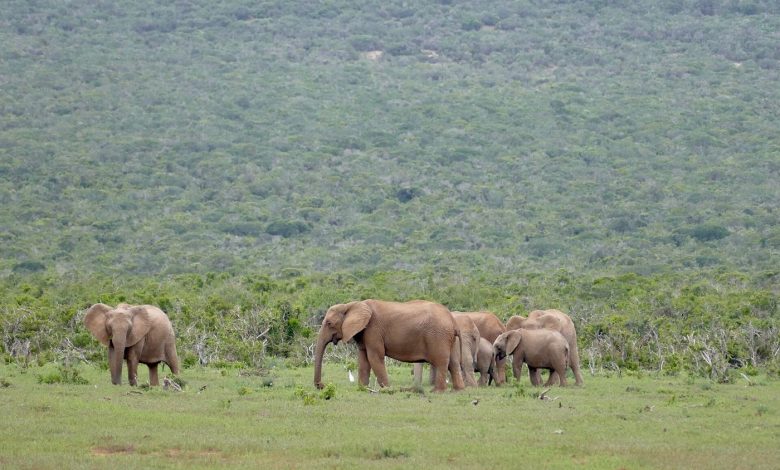
Elephants have some of the longest memories in the animal kingdom, and they use them to hold their families together. Researchers studying elephants in Amboseli National Park in Kenya found that older females could recognise the calls of around 100 other elephants, distinguishing family members from strangers and remembering individuals they had not seen for years. A matriarch may be sixty years old and carry knowledge of droughts, waterholes and safe routes learned over a lifetime. When she calls, the herd listens: her memory tells them where to find water in a dry season and which other groups to approach or avoid. Few animals depend so heavily on what their elders remember. Their brains are the largest of any land animal, and the areas linked to memory and emotion are especially well developed.
What the Evidence Shows
Memory matters most in hard times. During droughts, matriarchs lead their herds to waterholes they last visited decades earlier, and herds led by older females survive droughts better than those led by younger ones. Elephants also remember danger: they react with alarm to the voices of people from groups associated with poaching, and they avoid places where family members were killed. This social memory is passed down the generations, since calves learn routes, water sources and social rules by following their elders. When poachers kill a matriarch, the herd loses more than a leader; it loses a library of knowledge that took a lifetime to build. Conservationists therefore argue that protecting older females is as important as protecting the herd as a whole, because their experience keeps the group alive through drought and danger. Reporting and analysis from sources such as National Science Foundation track the same developments, and specialists following the elephants remembering friends they have not seen in years say the direction is now consistent across independent lines of evidence.
The Wider Context
The wider context is a research landscape in which replication and open data now decide reputations. Findings connected to the elephants remembering friends they have not seen in years are being checked by independent groups with shared datasets, and the teams involved publish their methods in full so rivals can test every step. That discipline is slower than a headline cycle, but it is why results in this area increasingly survive first contact with scrutiny.
What Happens Next
What happens next in the story of the elephants remembering friends they have not seen in years will be decided by follow-up work already under way: larger samples, longer observation and instruments that have not yet come online. The researchers involved are unusually united on one point, that the current results justify the next investment of time and money. Readers will not have to wait long for the first tests of that claim. You can follow related developments in our coverage of science.
There is a practical lesson in all of this for readers deciding what to do today. Start with the verified facts, be wary of anyone promising certainty, and prefer reversible steps while the evidence is still developing. Circumstances differ by country, income and personal situation, so general guidance should always be weighed against your own context before you act on it in any significant or lasting way.