
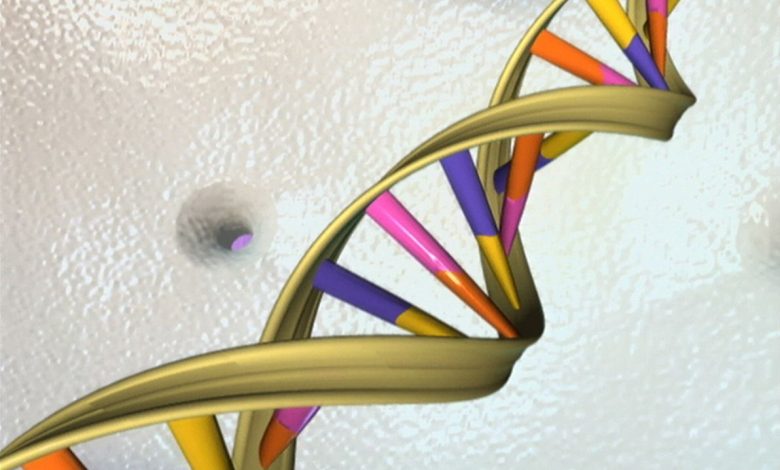
Scientists have revived a decades-old idea for switching off cancer-linked genes, using synthetic DNA molecules that bind directly to the DNA inside cells. Researchers reported on 3 November 2026 in the journal Nucleic Acids Research that they had designed triplex-forming oligonucleotides, short synthetic DNA strands that latch onto specific stretches of the genome. The team, led by researchers including Dr David Rusling, used a commercially available synthetic DNA base known as Z to make the molecules bind more strongly to regions that are normally hard to target. They tested the approach on MYC, a gene that drives the growth of many cancers when it becomes overactive, and reduced its activity by 50 to 80 percent in laboratory experiments.
What the Evidence Shows
The approach matters because MYC is one of the most important cancer genes, yet it has long been considered undruggable by conventional medicines. Directly targeting the gene’s DNA could offer a new route to treatments, as well as a tool for research and diagnostics. The triplex idea dates back decades, but early versions bound too weakly to be useful, and the new base Z appears to solve that problem. The work is still at the laboratory stage, and the molecules must be delivered safely into cells before they can help patients. Even so, the study shows that an old idea, updated with modern chemistry, can open fresh possibilities in genetic medicine. Reporting and analysis from sources such as National Science Foundation track the same developments, and specialists following the triplex DNA approach against MYC say the direction is now consistent across independent lines of evidence.
The Wider Context
The wider context is a research landscape in which replication and open data now decide reputations. Findings connected to the triplex DNA approach against MYC are being checked by independent groups with shared datasets, and the teams involved publish their methods in full so rivals can test every step. That discipline is slower than a headline cycle, but it is why results in this area increasingly survive first contact with scrutiny.
What Happens Next
What happens next in the story of the triplex DNA approach against MYC will be decided by follow-up work already under way: larger samples, longer observation and instruments that have not yet come online. The researchers involved are unusually united on one point, that the current results justify the next investment of time and money. Readers will not have to wait long for the first tests of that claim. You can follow related developments in our coverage of science.
There is a practical lesson in all of this for readers deciding what to do today. Start with the verified facts, be wary of anyone promising certainty, and prefer reversible steps while the evidence is still developing. Circumstances differ by country, income and personal situation, so general guidance should always be weighed against your own context before you act on it in any significant or lasting way.