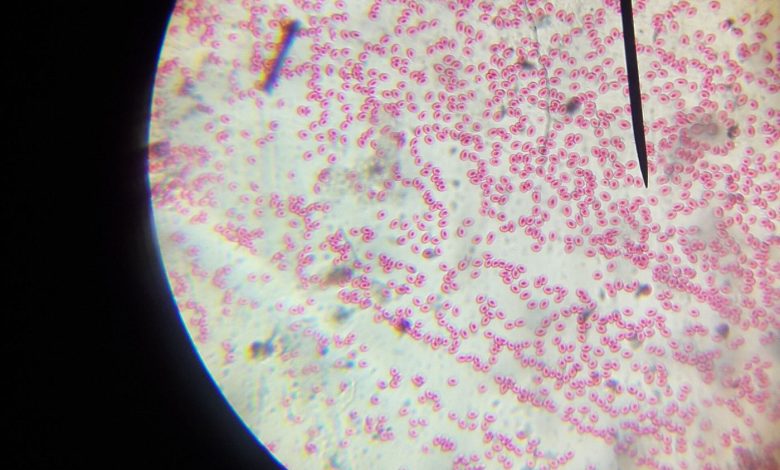
In December 2023, regulators in the United States approved the first medicine based on CRISPR gene editing, a treatment for sickle cell disease called Casgevy. Sickle cell disease is caused by a single faulty gene that makes red blood cells stiff and crescent-shaped, blocking blood vessels and causing severe pain, organ damage and early death. Casgevy, developed by Vertex Pharmaceuticals and CRISPR Therapeutics, works by taking a patient’s own blood stem cells, editing them in the laboratory to switch off a gene called BCL11A, and returning them to the patient. Switching off that gene reactivates the production of foetal haemoglobin, the form of the oxygen-carrying protein babies make before birth, which does not sickle. The US Food and Drug Administration approved it on 8 December 2023, and Britain and the European Union followed, with England’s NHS agreeing a deal for eligible patients in August 2024.
What the Evidence Shows
The approval is a landmark for genetic medicine, because it proves that editing a patient’s own DNA can treat a disease, not just in theory but in practice. In trials, most treated patients went at least a year without the painful crises that define sickle cell disease, and many remained free of them for far longer. But the treatment is also a test of whether such medicine can reach the people who need it. It costs about 2.2 million dollars per patient, requires months of preparation including chemotherapy to clear the bone marrow, and can only be given in specialist centres. Sickle cell disease affects millions of people, most of them in sub-Saharan Africa, where the treatment is currently out of reach. The science has arrived; the challenge now is making it affordable and available. Reporting and analysis from sources such as National Science Foundation track the same developments, and specialists following first CRISPR medicine Casgevy say the direction is now consistent across independent lines of evidence.
The Wider Context
The wider context is a research landscape in which replication and open data now decide reputations. Findings connected to first CRISPR medicine Casgevy are being checked by independent groups with shared datasets, and the teams involved publish their methods in full so rivals can test every step. That discipline is slower than a headline cycle, but it is why results in this area increasingly survive first contact with scrutiny.
What Happens Next
What happens next in the story of first CRISPR medicine Casgevy will be decided by follow-up work already under way: larger samples, longer observation and instruments that have not yet come online. The researchers involved are unusually united on one point, that the current results justify the next investment of time and money. Readers will not have to wait long for the first tests of that claim. You can follow related developments in our coverage of science.
There is a practical lesson in all of this for readers deciding what to do today. Start with the verified facts, be wary of anyone promising certainty, and prefer reversible steps while the evidence is still developing. Circumstances differ by country, income and personal situation, so general guidance should always be weighed against your own context before you act on it in any significant or lasting way.