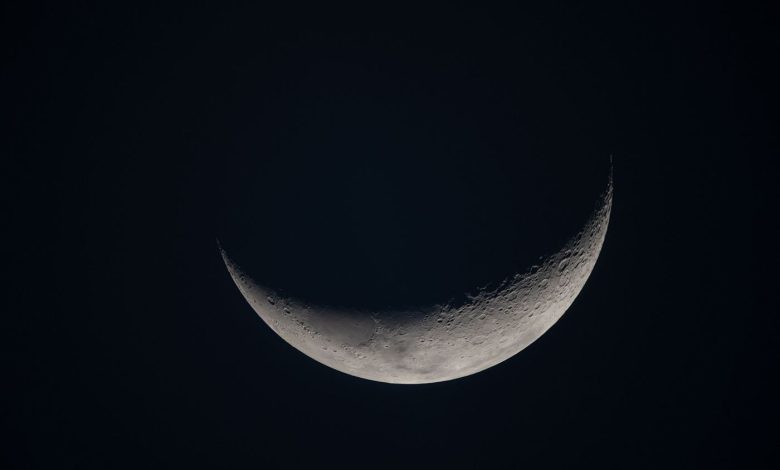
The most persistent nuisance reported by Apollo astronauts was not radiation or isolation but dust. Lunar soil is ground rock that has never been weathered by wind or water, so its particles stay sharp and angular, clinging to suits, seals and instruments and working their way into everything. Crews tracked it into the cabin, where it smelled of spent gunpowder and irritated eyes and lungs. For the short Apollo visits this was an annoyance to manage. For a long-term base it becomes a design problem of the first order, because dust degrades spacesuit joints, scratches visors and radiator surfaces, fouls airlocks and may pose a genuine health risk if inhaled over months. Engineers preparing the next era of lunar exploration are therefore treating dust as a system-wide threat. They study samples and simulants to understand how particles behave in vacuum and low gravity, test suit materials and seals against abrasion, and design habitats that keep the outside where it belongs. Even the act of landing stirs the problem, since rocket exhaust can blast surface material at high speed across considerable distances, sandblasting nearby equipment that a base would need to protect.
What the Evidence Shows
Solutions under development range from the simple to the inventive. Airlocks with dedicated suit ports would let crews enter a habitat without bringing a dusty suit inside at all. Electrostatic and magnetic cleaning systems aim to strip particles from surfaces without water, which is precious on the Moon. Landing pads, whether compacted, sintered from local soil or built from imported panels, would reduce the spray of debris during arrivals and departures. Medical researchers are examining how inhaled lunar dust interacts with lung tissue, using cell studies and animal data to set safe exposure limits before crews live with the risk. Dust science also shapes where bases might go, balancing the appeal of polar ice deposits against terrain where dust transport and accumulation can be managed. None of these measures is glamorous, yet exploration history suggests that mundane hazards decide whether ambitious programmes endure. A base that masters its dust will keep suits sealing, air clean and machines running, and that quiet reliability is what turns a landing site into a home. Reporting and analysis from sources such as National Science Foundation track the same developments, and specialists following lunar dust habitat challenge say the direction is now consistent across independent lines of evidence.
The Wider Context
The wider context is a research landscape in which replication and open data now decide reputations. Findings connected to lunar dust habitat challenge are being checked by independent groups with shared datasets, and the teams involved publish their methods in full so rivals can test every step. That discipline is slower than a headline cycle, but it is why results in this area increasingly survive first contact with scrutiny.
What Happens Next
What happens next in the story of lunar dust habitat challenge will be decided by follow-up work already under way: larger samples, longer observation and instruments that have not yet come online. The researchers involved are unusually united on one point, that the current results justify the next investment of time and money. Readers will not have to wait long for the first tests of that claim. You can follow related developments in our coverage of science.
There is a practical lesson in all of this for readers deciding what to do today. Start with the verified facts, be wary of anyone promising certainty, and prefer reversible steps while the evidence is still developing. Circumstances differ by country, income and personal situation, so general guidance should always be weighed against your own context before you act on it in any significant or lasting way.