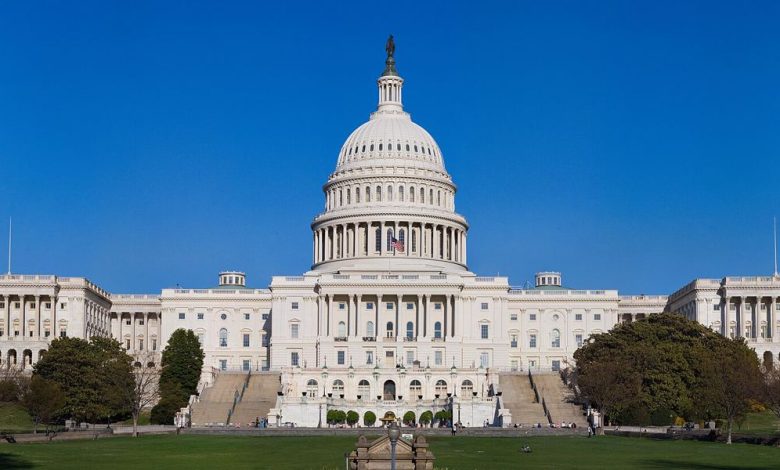
The United States endured the longest federal government shutdown in its history in the autumn of 2025, lasting 43 days from 1 October to 12 November. Congress failed to pass funding for the 2026 fiscal year, and the Republican-controlled House’s stopgap bill was repeatedly blocked in the Senate, failing 14 times before a revised package finally passed the Senate on 10 November by 60 votes to 40 and the House on 12 November by 222 to 209. President Donald Trump signed it into law the same evening. About 900,000 federal workers were furloughed and roughly two million more worked without pay, while air travel was badly disrupted as air traffic controllers and airport staff went unpaid. The shutdown beat the previous record of 35 days set in 2018-19.
What the Evidence Shows
The shutdown ended only after eight senators in the Democratic caucus agreed to back the funding package, in exchange for a promise of a vote in December on extending health insurance subsidies. The deal funded most of the government through 30 January 2026 and included three full-year spending bills covering departments including agriculture and veterans’ affairs. The costs were considerable: government economists estimated billions of dollars in lost output, federal workers faced missed pay cheques and food banks reported surging demand, and thousands of flights were cancelled as staffing shortages hit airports. The episode also exposed how fragile the funding process has become, with stopgap measures now routine. With the January deadline approaching, both parties faced the same question again — whether they could agree a budget before the next shutdown began. Reporting and analysis from sources such as Associated Press track the same developments, and specialists following the 43-day US government shutdown of 2025 say the direction is now consistent across independent lines of evidence.
The Wider Context
Regional and local reporting on the 43-day US government shutdown of 2025 often tells a different story from national coverage, because the effects land unevenly: one town’s pilot is another’s distant proposal. Analysts who follow the subject full-time read the local data first, arguing that national averages conceal the variation that decides whether a policy or a project deserves to spread.
What Happens Next
The longer story of the 43-day US government shutdown of 2025 is still being written by the people closest to it, whose experience rarely matches the earliest predictions of either supporters or critics. Reporting will continue to follow the evidence as it accumulates, including where it complicates today’s account. That is the deal serious coverage makes with its readers, and it holds for this subject as for any other. You can follow related developments in our coverage of news.
It is also worth remembering how quickly the picture in this area has changed before. Positions that looked settled a few years ago have been revised as new data arrived, and the same humility is appropriate now. The strongest coverage of this subject, and the most useful advice, tends to come from sources that update their views openly when the facts move, rather than defending an earlier position long after it has stopped fitting the evidence available.