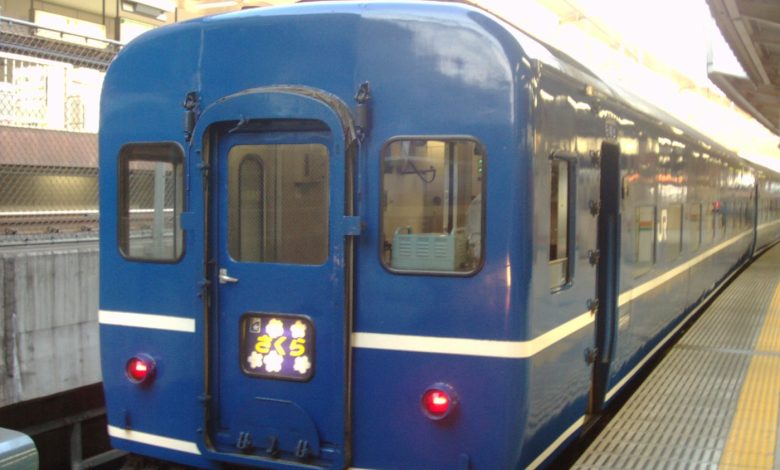
Sleeper trains, once written off as a relic of a slower age, are making a comeback across Europe, with new routes linking cities that are hundreds of kilometres apart. A traveller boards in the evening, sleeps in a berth or a couchette, and wakes in another country, having saved both a hotel night and a day of travelling. Railway companies say demand has surged, driven by travellers who want to avoid short flights and by young people who see the night train as part of the trip rather than a way to endure it. New operators are buying refurbished carriages and opening routes that the old state railways abandoned, while established companies are ordering brand-new sleeping cars for the first time in decades. Tickets often sell out weeks ahead on popular routes, and some services now run every night instead of a few times a week.
What the Evidence Shows
The revival still faces practical limits that keep it from growing faster. Sleeping carriages are expensive to buy and to maintain, and there are not enough of them to meet demand, so operators must borrow or refurbish old stock. Timetables are also hard to arrange, since a night train must cross borders and fit around freight and maintenance work in several countries at once. Fares can be high, and critics say the services will stay a niche for holidaymakers unless governments help with the cost of the carriages. Even so, the comeback shows that a form of travel many assumed was finished still has a place. For travellers who have tried it, the appeal is simple: fall asleep in one city, wake up in another, and let the journey do the work of the night. Reporting and analysis from sources such as Reuters track the same developments, and specialists following sleeper trains making a comeback across Europe say the direction is now consistent across independent lines of evidence.
The Wider Context
The wider context is a public conversation conducted at a speed institutions were not built for. Developments around sleeper trains making a comeback across Europe are announced, contested and revised within a single news cycle, and the officials involved have learned to publish evidence alongside claims so that scrutiny can actually occur. Trust, the polling suggests, follows that transparency more than it follows confidence.
What Happens Next
What happens next in the story of sleeper trains making a comeback across Europe will be decided in the places where it is being implemented, measured and argued about in public. The officials and organisations involved have committed to publishing progress data, and that commitment gives residents, businesses and journalists something firmer than promises to judge. The next milestones are dated, which means they can be checked. You can follow related developments in our coverage of news.
There is a practical lesson in all of this for readers deciding what to do today. Start with the verified facts, be wary of anyone promising certainty, and prefer reversible steps while the evidence is still developing. Circumstances differ by country, income and personal situation, so general guidance should always be weighed against your own context before you act on it in any significant or lasting way.